Preventing collisions is a critical aspect of railway safety, aiming to avoid accidents between trains, with vehicles at crossings, or with people on the tracks. Effective measures include implementing advanced signaling systems that automatically control train movements and alert operators to potential hazards. Installing barriers and warning signals at crossings helps keep vehicles and pedestrians safe, while regular track inspections and maintenance reduce risks of derailments.
Public awareness campaigns also play a vital role, educating people about the dangers of trespassing on tracks and the importance of obeying crossing signals. Additionally, surveillance cameras and sensors can detect obstacles or unauthorized access in real time, enabling quick responses to prevent accidents.
The Public’s Role in Railroad Safety
The responsibility of the public is an important component to railroad safety, especially when it comes to preventing collisions—whether between trains, with vehicles at crossings, or with people on the tracks.
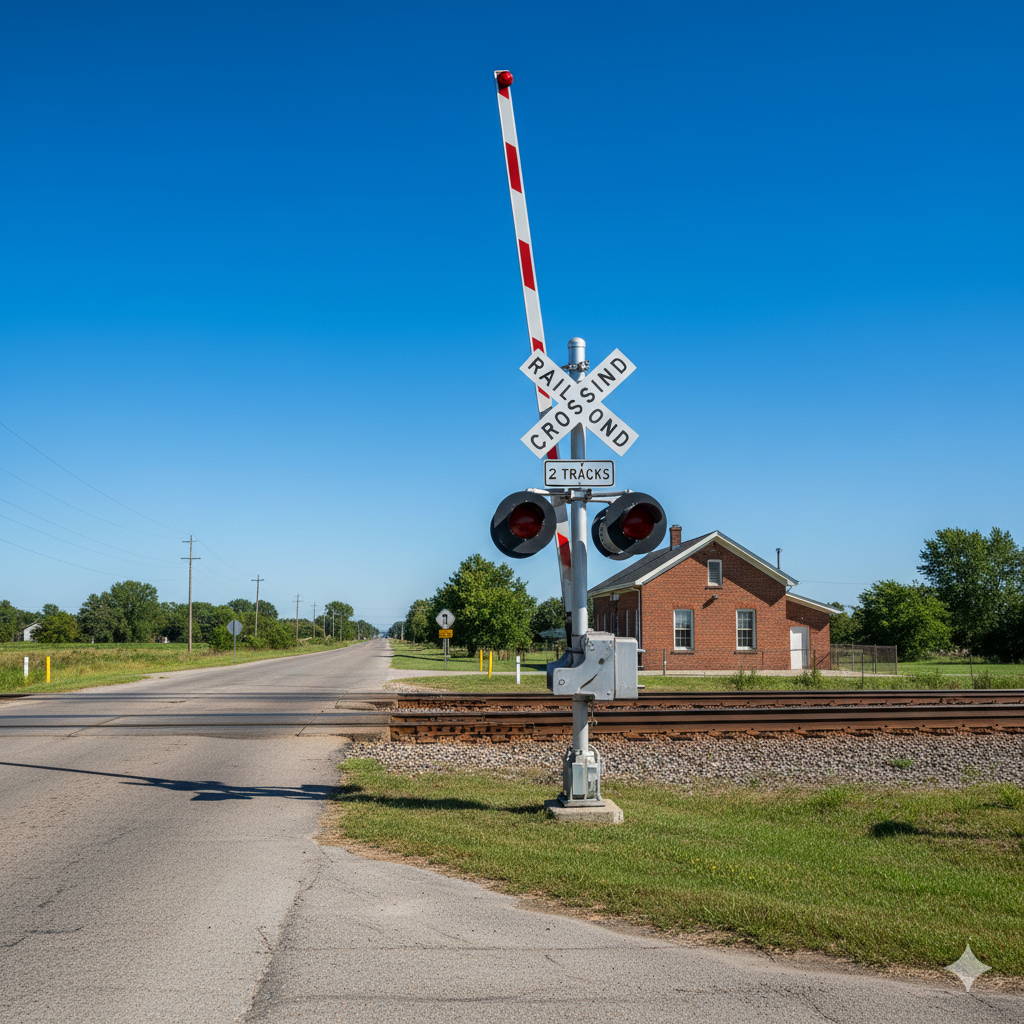
At locations where there are signals and/or arms, it is crucial that the public take extra steps to ensure their own safety. When signal lights activate, individuals should not attempt to “beat” the train. It is also important not to proceed until the arms are fully raised and the signal lights and sounds have completely stopped. In addition, looking both ways at all railroad crossings is essential.
Due to the weight and speed of trains, they cannot stop immediately, and, ironically, trains are often silent except for the horn; therefore, if the horn does not sound, trains may be seen before they are heard. By staying alert near railway crossings, obeying warning signals and barriers, and never trespassing on tracks, individuals play a direct role in reducing the risk of accidents.
This is even more important for pedestrians and bike riders. Many people choose to walk or play on the tracks, while others may attempt to climb through a train that appears to be stopped. It is important to remember that trains may be seen before they are heard, and a train that is stopped can move at any moment. Public awareness and cooperation with railway safety rules help protect not only themselves but also train operators and passengers, making the entire rail system safer for everyone.