Railway Collision Prevention and Public Safety Responsibilities
Preventing collisions is a critical aspect of railway safety, aiming to avoid accidents between trains, with vehicles at crossings, or with people on the tracks. Effective measures include implementing advanced signaling systems that automatically control train movements and alert operators to potential hazards. Installing barriers and warning signals at crossings helps keep vehicles and pedestrians […]
The Digging Threat: Why Third-Party Excavation Remains the Pipeline Industry’s Biggest Safety Challenge
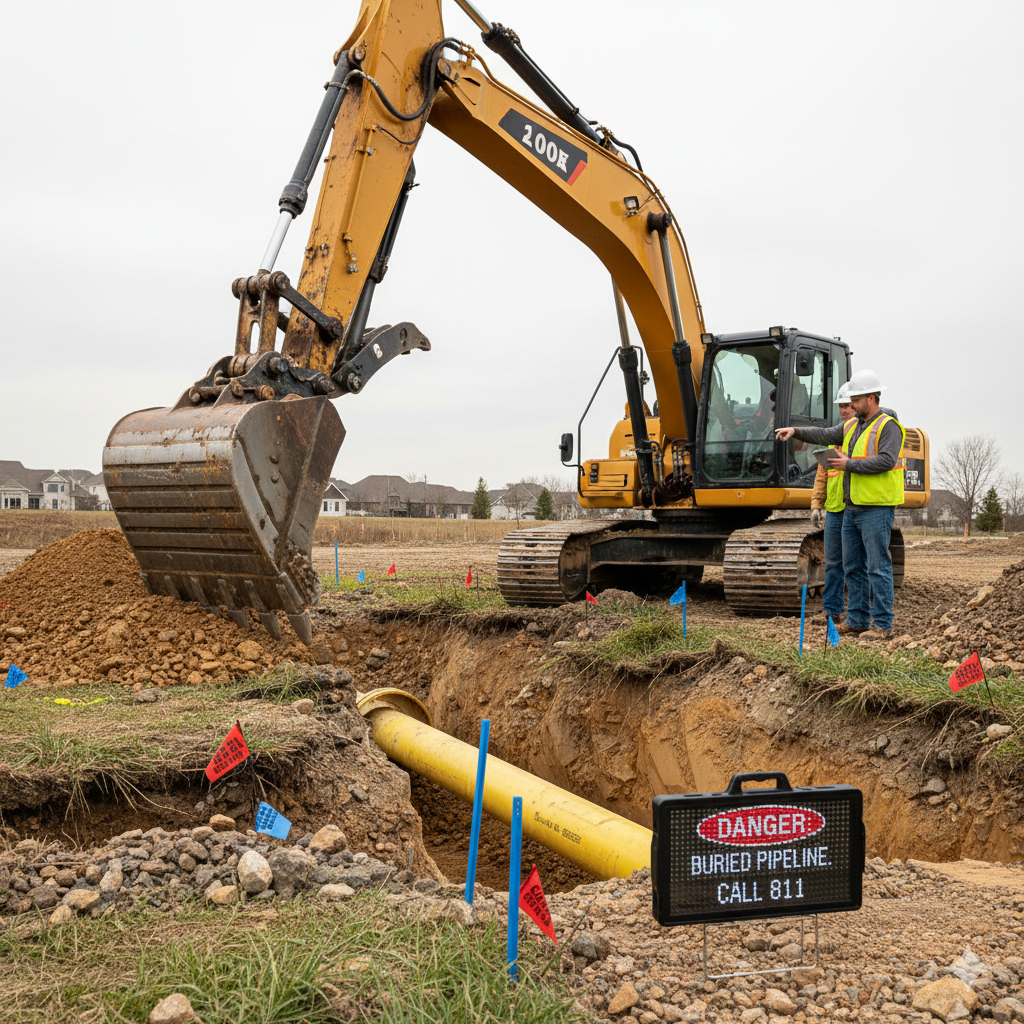
The vast network of underground pipelines—carrying everything from natural gas and crude oil to refined petroleum products—is the invisible engine of modern industry. Pipeline safety is synonymous with integrity, and for decades, the single greatest external threat to that integrity has not been corrosion, fatigue, or natural disaster, but the accidental strike from a third-party […]
Mitigating the Highest Risk: Ensuring Crew Safety in Maritime Enclosed Spaces
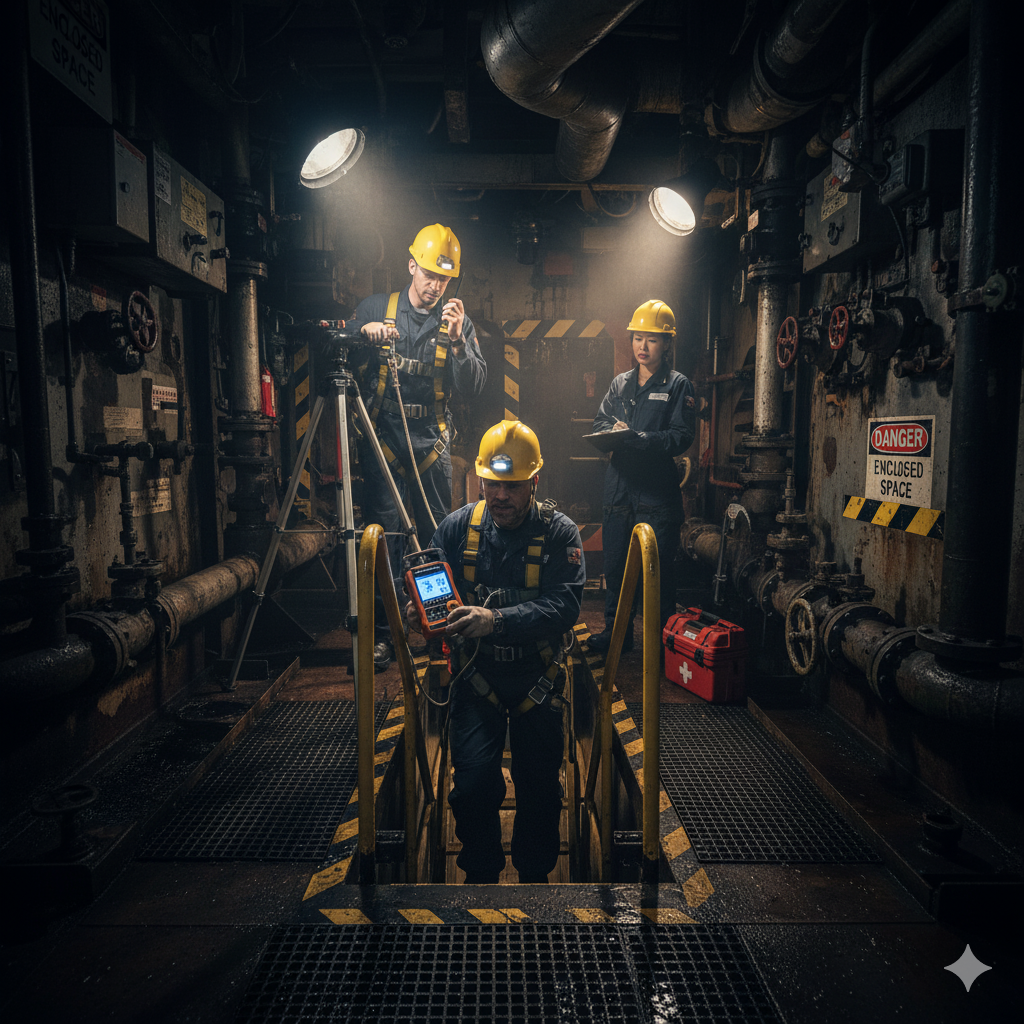
The vast majority of maritime incidents—collisions, groundings, and environmental damage—are linked to human error. However, a specific class of accident remains disproportionately deadly and is an urgent focus for global maritime safety bodies: accidents in enclosed spaces. An enclosed space on a vessel is any area that has limited openings for entry and exit, poor […]
The Last Barrier: Mitigating the Catastrophic Risk of Runway Incursions

Commercial aviation is defined by its unparalleled safety record, a feat achieved through stringent regulations, advanced technology, and a culture of constant vigilance. Paradoxically, the greatest current threat to this record often occurs at the lowest speeds—on the airport surface—in the form of Runway Incursions. A runway incursion is defined as any occurrence at an […]
Beyond the Boom Gate: A Holistic Approach to Rail Grade Crossing Safety
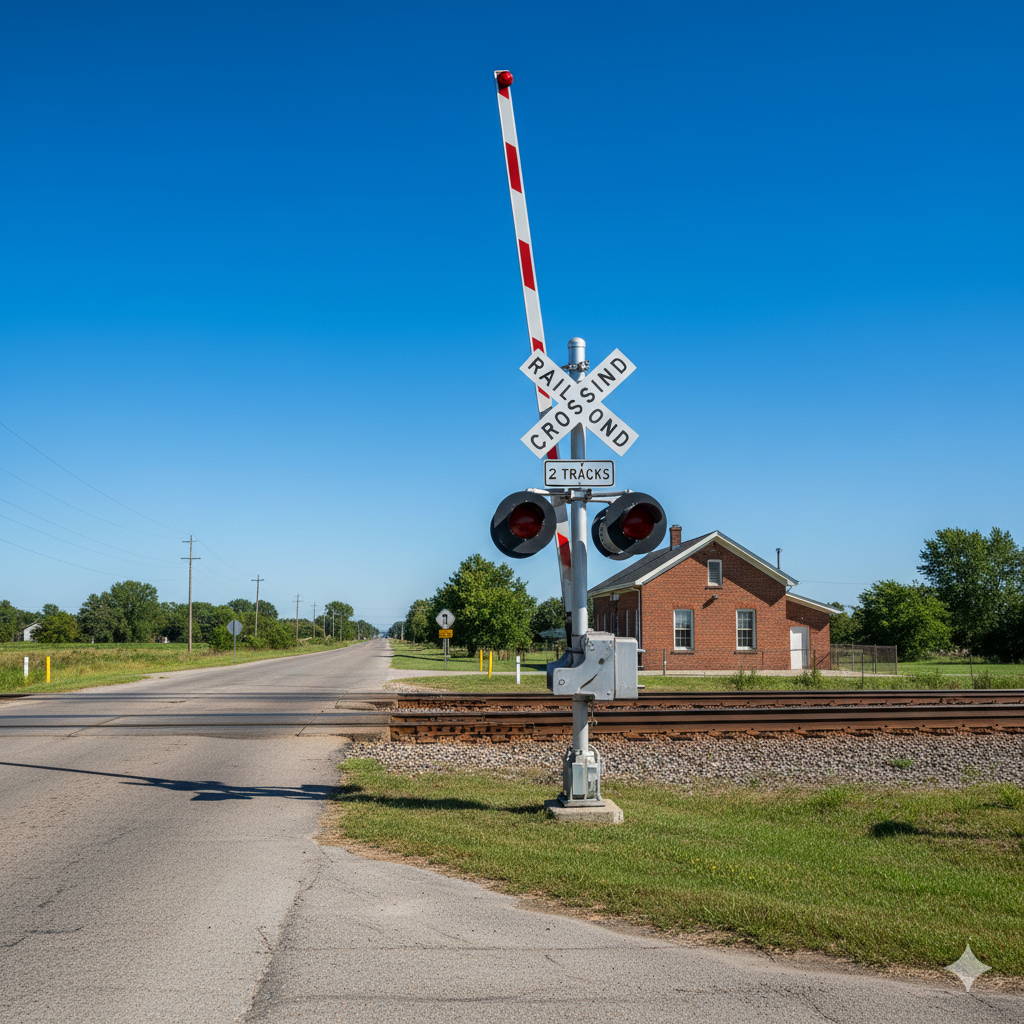
The clanging bells, flashing red lights, and lowering gates of a rail crossing are one of the most recognizable safety warnings in the world. Yet, despite these clear, standardized signals, incidents at highway-rail grade crossings—where rail tracks intersect with roadways or pedestrian paths at the same level—remain a persistent and tragic safety challenge for the […]